Your quote came through a few weeks ago. Now you are wondering whether to pay today or hold off in case the price drops. It is a fair question, because steel prices in South Africa can move quickly.
Here is the short answer as of October 2026. Local steel prices have been held back this year by a firmer rand and a flood of cheap imports, even while some international prices climbed. That balance can tip fast, so the safest move is to buy when your roof is ready for sheets, on a written quote, rather than try to time the market.
Below we explain what changed in 2026, why your roof sheeting price moves, and how to protect your budget either way.
Steel prices in South Africa: what changed in 2026
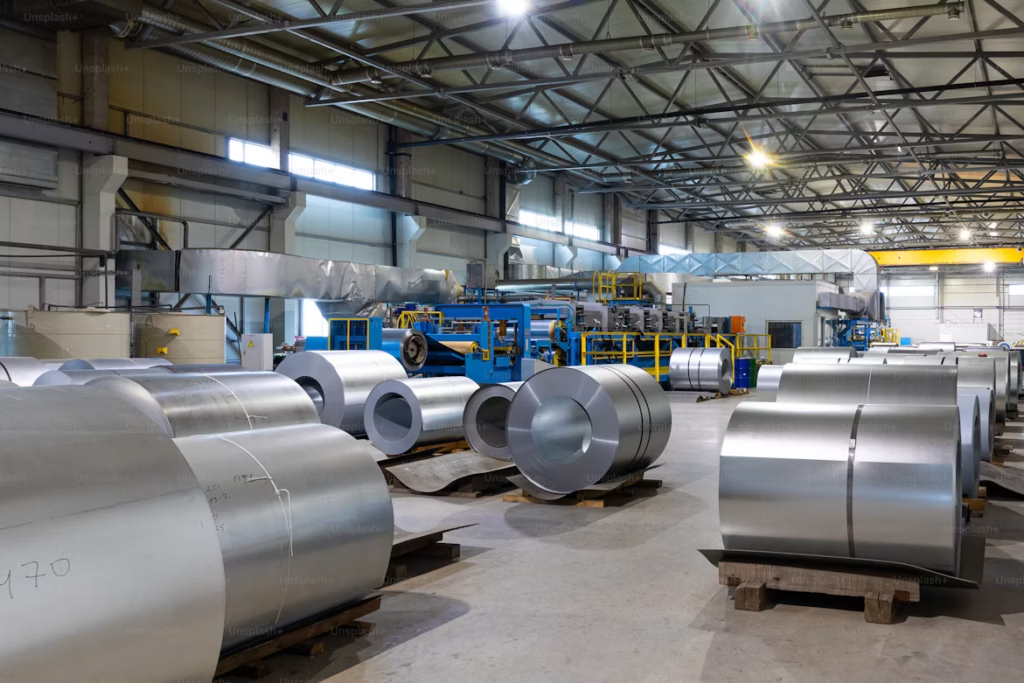
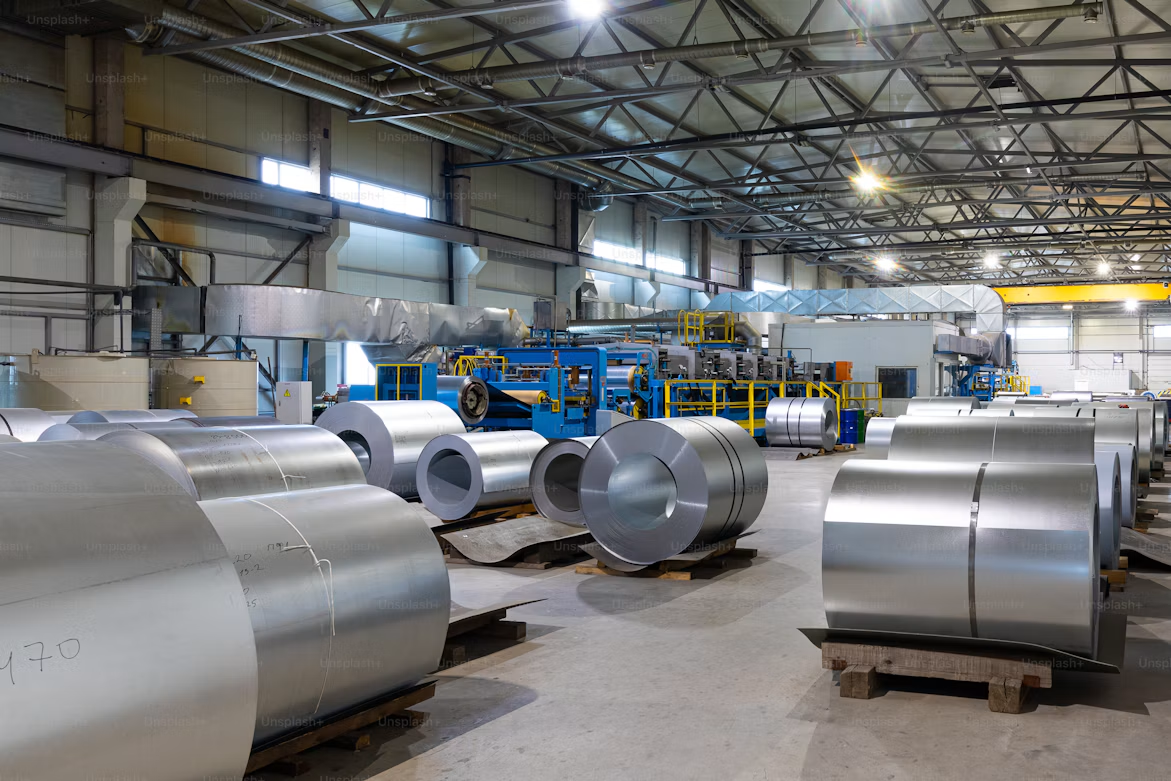
ArcelorMittal South Africa (AMSA) is the country’s largest steelmaker. Its Vanderbijlpark plant rolls the kind of flat steel coil that roof sheeting starts as, so its results give the clearest public picture of the local market.
- In the first half of 2026, the stronger rand turned a 7% rise in AMSA’s US dollar steel prices into a 4% fall in rand terms (Financial Mail, 20 August 2026).
- Over the same period, cheap imports made up 47% of South Africa’s apparent steel consumption, the Financial Mail reported. Apparent consumption is local production plus imports minus exports, a rough measure of how much steel the country uses.
- AMSA wound down its long steel business and put it into care and maintenance by the end of 2025 (AMSA annual results, 5 February 2026). Long steel covers products like rebar and sections, not the coil used for roof sheeting.
- At the end of June 2026, AMSA’s liabilities exceeded its assets by R1.66 billion, and its auditors flagged a material uncertainty over whether it can continue as a going concern. Vanderbijlpark was running at about 66% of capacity, according to the same Financial Mail report.
In plain language: there has been more steel on offer than buyers for it, much of it imported cheaply, and a firm rand has made those imports cheaper still. That has kept local prices in check. But it rests on a strained local producer and on a currency that can turn.
Why world steel prices and your local price do not move together
Steel coil is traded in US dollars. When the rand weakens, imported coil costs more in rands even if the dollar price stays flat. When the rand firms, the opposite happens.
That is why 2026 has looked so mixed:
- China’s export price for hot-rolled coil, the basic rolled steel that is later coated and shaped into sheets, averaged about US$490 a tonne in the first half of 2026, up 7% on a year earlier, according to AMSA’s interim results.
- In the United States, hot-rolled coil futures reached US$1,356 a tonne on 16 October 2026, about 67% higher than a year before and the highest since March 2023 (Trading Economics). Different markets, very different prices.
- In June 2026, Investec chief economist Annabel Bishop said she expected the rand to average around R15.90 to the dollar in the fourth quarter of 2026 (Daily Investor, 11 June 2026).
Forecasts are not promises. The rand has a long history of sudden swings, and a weaker currency would push coil costs up quickly.
What this means for the price of roof sheeting
Roof sheeting is made from coil that has been galvanised (coated with zinc) or painted, such as Chromadek®. When coil costs move, sheet prices follow, usually with a delay while existing stock is used up.
We review our per-metre rates regularly for exactly this reason. Here is where our online shop prices stood on 19 October 2026:
| Product | Thickness | Price per sheet (1.8 m to 6.6 m) | Works out to about |
|---|---|---|---|
| Galvanised IBR, Corrugated or Widespan | 0.3 mm to 0.5 mm | R133,20 to R732,60 | R74 to R111 per metre |
| Chromadek® IBR | 0.5 mm | R280,80 to R1 029,60 | R156 per metre |
Chromadek® Corrugated and Widespan are listed in the same price range as Chromadek® IBR. Because the sheets cover different widths, the cost per square metre of roof differs by profile:
| Sheet | Cover width | Galvanised, per m² of roof | Chromadek®, per m² of roof |
|---|---|---|---|
| IBR | 686 mm | about R108 to R162 | about R227 |
| Corrugated or Widespan | 762 mm | about R97 to R146 | about R205 |
These are sheet costs only, before laps, waste, screws, flashings, delivery and labour. For a full budget, see our guide to roof sheeting prices in South Africa, and always check the live price in our online shop before you buy.
Should you buy roof sheeting now or wait?
Waiting only pays if prices fall, and nobody can promise that. This is how we would decide.
Buy now if:
- Your structure is up or nearly up, and your measurements are final.
- You have a written quote you are happy with.
- A delay or a price rise would hurt your project more than a small saving would help it.
Hold off if:
- You do not have final measurements yet. Buying early on guessed sizes usually costs more than any price move.
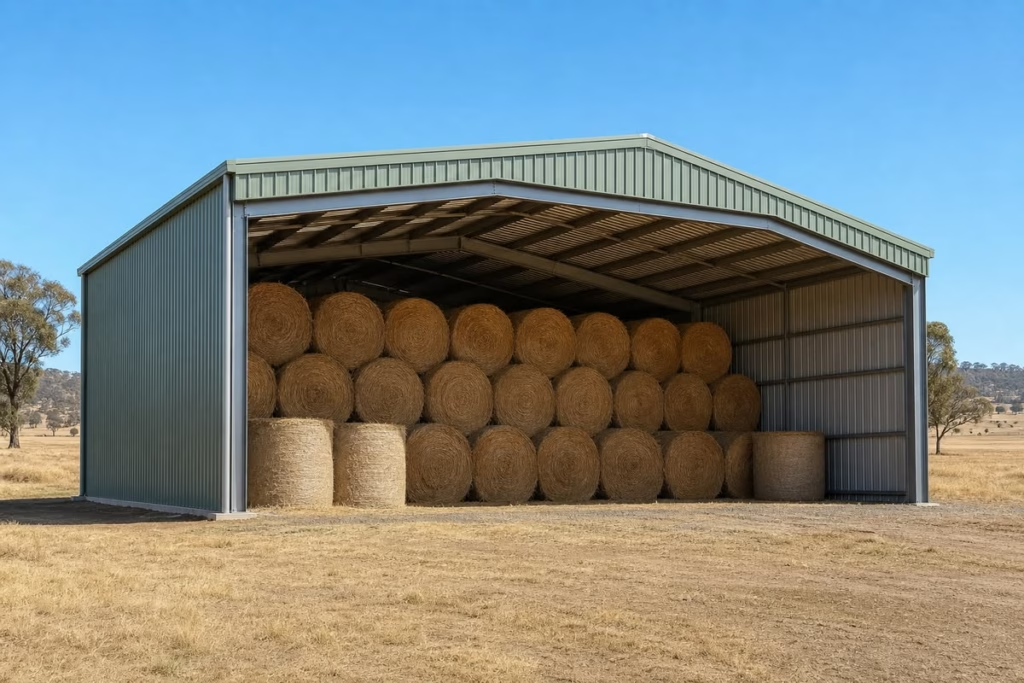
- You would have to store the sheets outside for weeks. Global Roofing Solutions’ IBR specification says sheets should be kept off the ground under well-ventilated cover until they are installed. Sheets stacked damp can develop white rust, where the zinc coating corrodes before the sheet ever reaches the roof.
Ready to lock in a price? Send us your lengths, profile and finish through our quote form and we will come back with today’s price for your exact job.
Five ways to protect your budget when prices move
- Measure first, then buy. Order to final measurements so you are not paying for steel you will cut off and throw away.
- Order cut-to-length sheets. We roll IBR, Corrugated and Widespan in-house to the millimetre, up to 13 m long, so there are fewer laps and less waste. Here is why cut-to-length roof sheeting saves money.
- Do not over-specify thickness. Thicker sheets cost more per metre. Match the thickness to your purlin spacing and the job, not to habit.
- Use offcuts and rejects where looks do not matter. For sheds and temporary cover they can cut costs sharply. See when roof sheeting offcuts and rejects make sense.
- Confirm how long your quote is valid. Ask, get it in writing, and have the price reconfirmed before you pay if that date has passed.
You can also spread the cost. Our online shop offers PayJustNow, which lets you pay in three interest-free instalments.
The bottom line
Steel prices in South Africa have been kinder to buyers in 2026 than international headlines suggest, mainly because of the rand and cheap imports. Neither is guaranteed to last. Buy when your project is ready, buy to exact measurements, and get your price in writing.
Frequently asked questions
Will steel prices drop in South Africa in 2027?
Nobody can say for sure. A firmer rand, as some economists forecast, would help keep prices steady, while a weaker rand or lower import levels could push them up.
Why did my roof sheeting quote change?
Usually because coil costs moved with the rand or with international steel prices. Suppliers who buy coil priced in dollars adjust their per-metre rates when those costs change.
Is it worth buying roof sheeting early and storing it?
Only if you can store it dry, off the ground and under ventilated cover. Sheets left stacked in the rain can develop white rust before they are installed.
How long is a roof sheeting quote valid?
It depends on the supplier, so check the date on your quote. If it has lapsed, ask for the price to be reconfirmed before you pay.
Need sheets priced for your project? Request a quote or call 012 001 0527. Collect from our Pretoria warehouse or have it delivered to site.
Reviewed by the Roofsheeting Warehouse team in Pretoria, steel roofing suppliers since 2002 and roll-forming IBR, Corrugated and Widespan in-house since 2010.